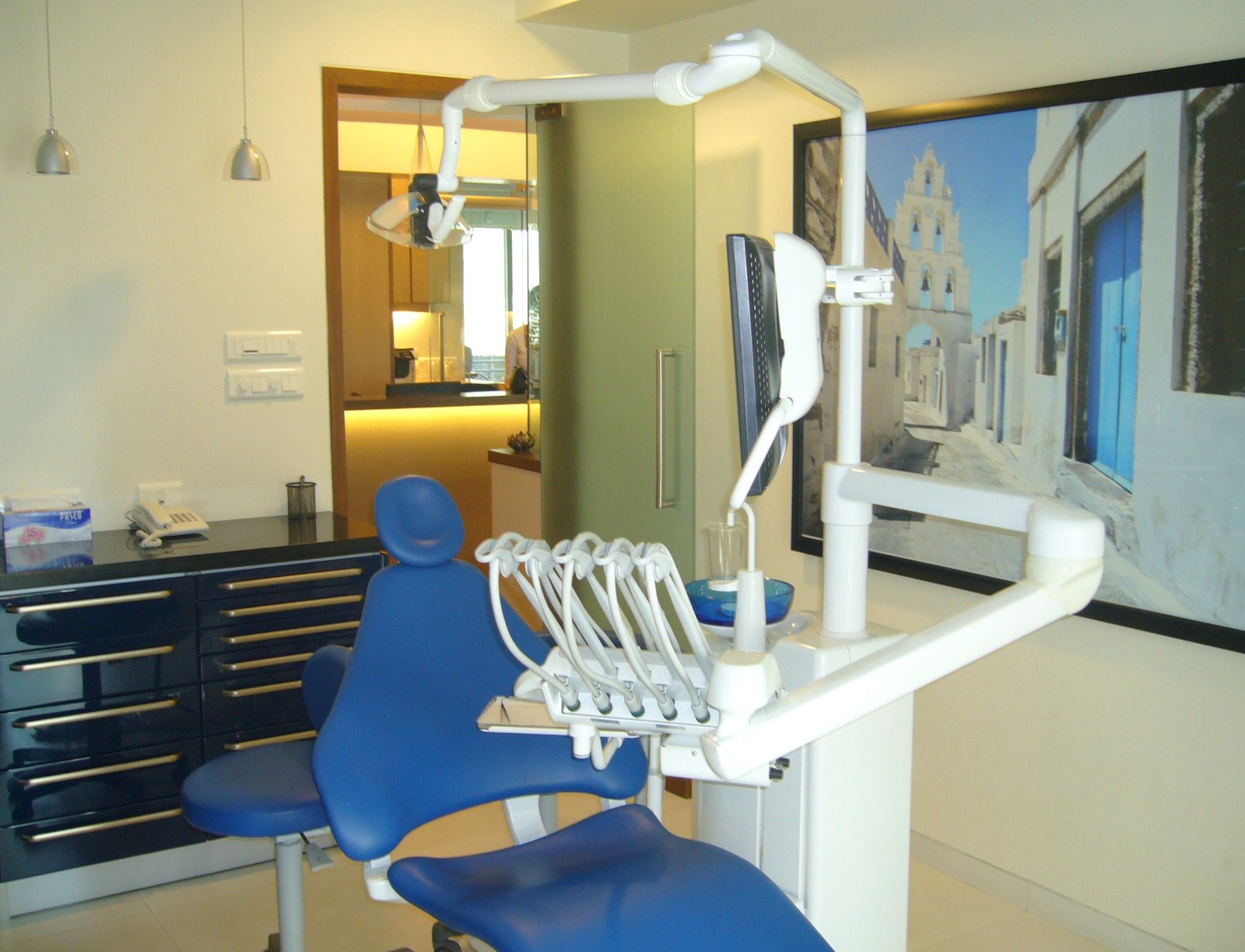
Unlike designing homes, designing healthcare and wellness spaces is a very different game. Function, safety, equipment requirements, and hygiene standards lead the conversation and aesthetics usually come second.
These environments are heavily machinery-driven and operationally complex. Which means every design decision has to balance the needs of multiple stakeholders, from the people running the facility to the equipment powering it.
In most healthcare projects, we’re effectively designing for four key groups: the client or owner, the end users (patients and staff), equipment manufacturers, and the servicing teams responsible for maintaining those systems.
Designing for Four Stakeholders
Healthcare interiors rarely revolve around a single decision maker.
There’s the client, who is thinking about efficiency, cost and longevity. Then there are the end users — doctors, therapists, nurses and patients — who interact with the space every day. Add to that equipment manufacturers, whose machines often dictate spatial requirements, electrical loads and clearances. And finally, the service and maintenance teams who will eventually need access to repair or maintain those machines.
If one of these voices is ignored during design, the problems show up quickly — equipment that doesn’t fit, servicing that becomes difficult, or workflows that slow down the entire facility. Good healthcare design quietly resolves these conflicts before they become operational headaches.
The Site Audit
Before layouts and mood boards come into the picture, there’s always a practical first step: the site audit.
Not every building is suitable for a clinic or wellness facility. Many require significantly higher infrastructure capacity than a typical commercial space.
These environments often need:
high water supply
heavy-duty electrical capacity
efficient ventilation systems
floor slabs capable of supporting heavy equipment
Hence a timely and thorough site audit helps avoid expensive surprises later.
Materials That Can Survive Real Life
In healthcare environments, materials are chosen less for their visual appeal and more for how they perform under constant use.
Surfaces need to withstand frequent cleaning with industrial-grade disinfectants while maintaining strict hygiene standards.
This is why we often work with materials such as:
jointless vinyl or epoxy flooring, which prevents dirt accumulation
antibacterial paint systems
stainless steel surfaces for durability and sanitation
high-grade plastics designed for clinical environments
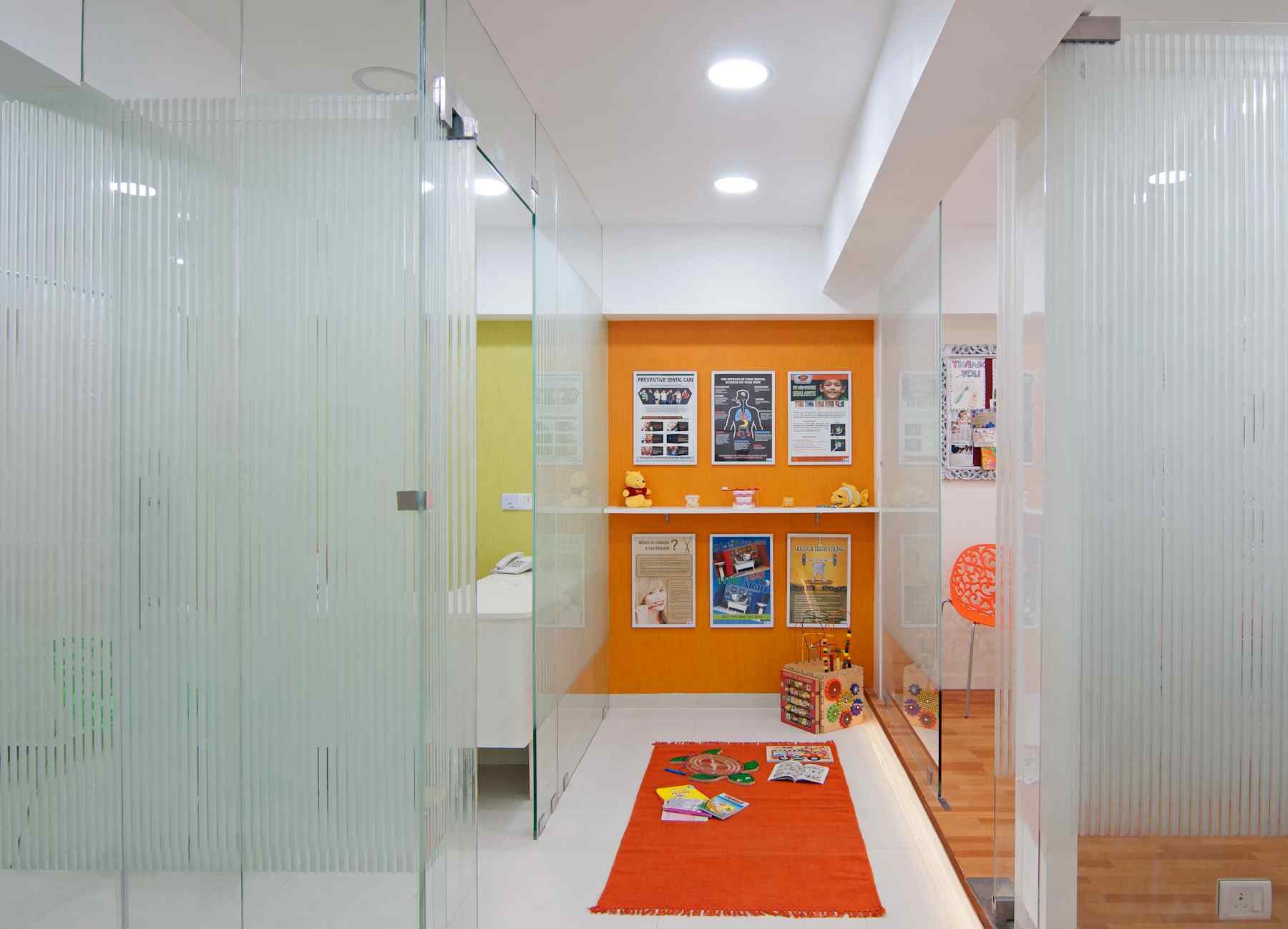
Clinic signage and artwork can introduce storytelling and warmth.
Colour Is Allowed (Contrary to Popular Belief)
Healthcare spaces have historically played it very safe with colour - whites, greys and soft pastels dominate most clinics.
But colour, when used thoughtfully, can dramatically change how a space feels. In our experience, vibrant palettes can work beautifully if they are balanced with the right lighting, placed strategically, and supported by well-considered colour combinations. Artwork and signage can also introduce personality and storytelling into the space, making the environment feel more welcoming and less clinical. We believe that a medical space doesn’t have to feel sterile to be hygienic.
The Quiet Role of Plants
Even in healthcare settings, a bit of greenery can make a noticeable difference. Plants have a calming effect and soften otherwise technical environments.
That said, practicality always wins. We often use faux plants or bonsai arrangements because they offer visual relief without the maintenance challenges real plants can bring in controlled environments. They can also be used cleverly as soft partitions or visual buffers, helping subtly divide spaces.
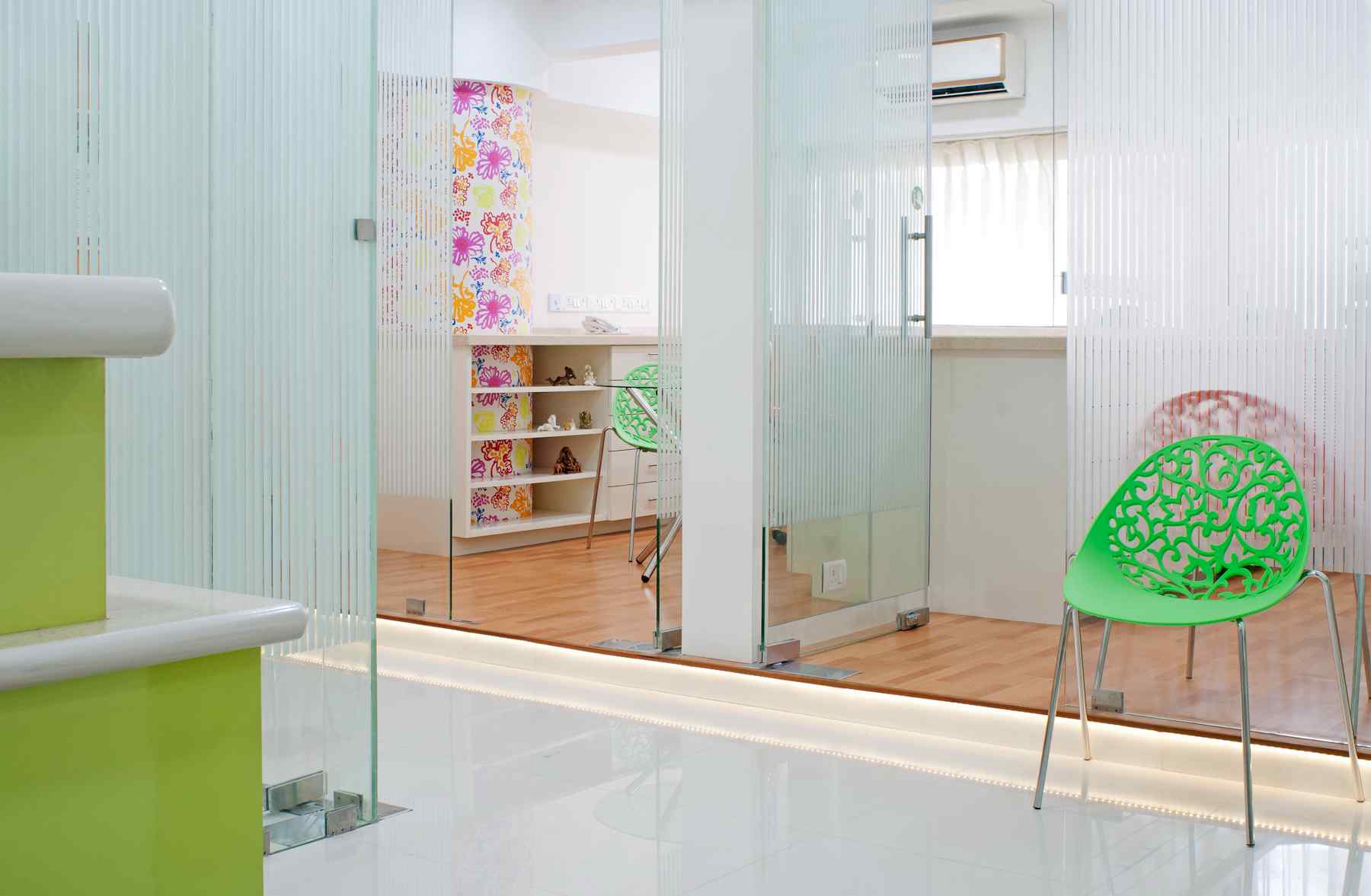
Vibrant colours used as highlights and placed strategically.
Designing for Sensitive Wellness Environments
Certain wellness spaces require a deeper level of design sensitivity. Facilities offering psychiatric therapy, counselling or cosmetic treatments often prioritise privacy and discretion.
In these environments, the design needs to actively support a sense of safety and comfort. This might involve:
noise-cancelling partitions to maintain confidentiality
separate entrances or circulation paths for patient privacy
carefully controlled lighting and acoustics to create a calming atmosphere
Designing these spaces properly requires detailed conversations with the practitioners themselves. Understanding how they work with patients is often the key to creating environments that truly support healing.
When Design Works Quietly
The most well-designed wellness spaces are rarely the most visually dramatic. Instead, they are environments where everything functions smoothly, where patients feel comfortable, staff move efficiently, and equipment integrates naturally into the space. When this happens, the design becomes almost invisible, quietly supporting the work being done within it.